
An IMEI can help identify a stolen phone, but it is not a magic tracking button for the owner. Regular users cannot locate a phone on the cellular network just by entering the IMEI into a website. Network-level location is controlled by carriers and law enforcement processes.
What the IMEI can do is support documentation. Give the IMEI to your carrier so they can advise on blocking service, protecting the SIM or reporting the device according to local procedures. If you file a police or insurance report, the IMEI helps prove which exact device is involved.
Use platform tools first. Apple Find My and Android Find My Device are usually the fastest ways to locate, lock, ring or erase a device. Do not confront a thief based on a map location. Share the information with local authorities if the case requires it.
If you do not know your IMEI, check the original box, invoice, carrier account, Apple ID device list, Google account device list or repair paperwork. Many people discover too late that they never saved the number anywhere.
After reporting the stolen phone, change important passwords, revoke sessions, contact your bank if payment apps were active and watch for phishing attempts. The IMEI helps with the device record, but account security protects the data.
Why this guide matters for IMEI decisions
What an IMEI can and cannot do when a phone is stolen, and which recovery steps matter most. The practical value is that a user can move from a short device identifier to a better decision about buying, repairing, reselling or documenting a phone. A strong IMEI workflow reduces guesswork by connecting the number with brand, model family, report fields and the real-world situation in which the phone is being checked.
For search visitors, the important question is rarely theoretical. They usually want to know whether the phone in front of them matches the listing, whether a model code makes sense, what additional proof they should ask for, and which limits still require a carrier, seller or official support channel. This Stolen Phone article should answer those questions directly.
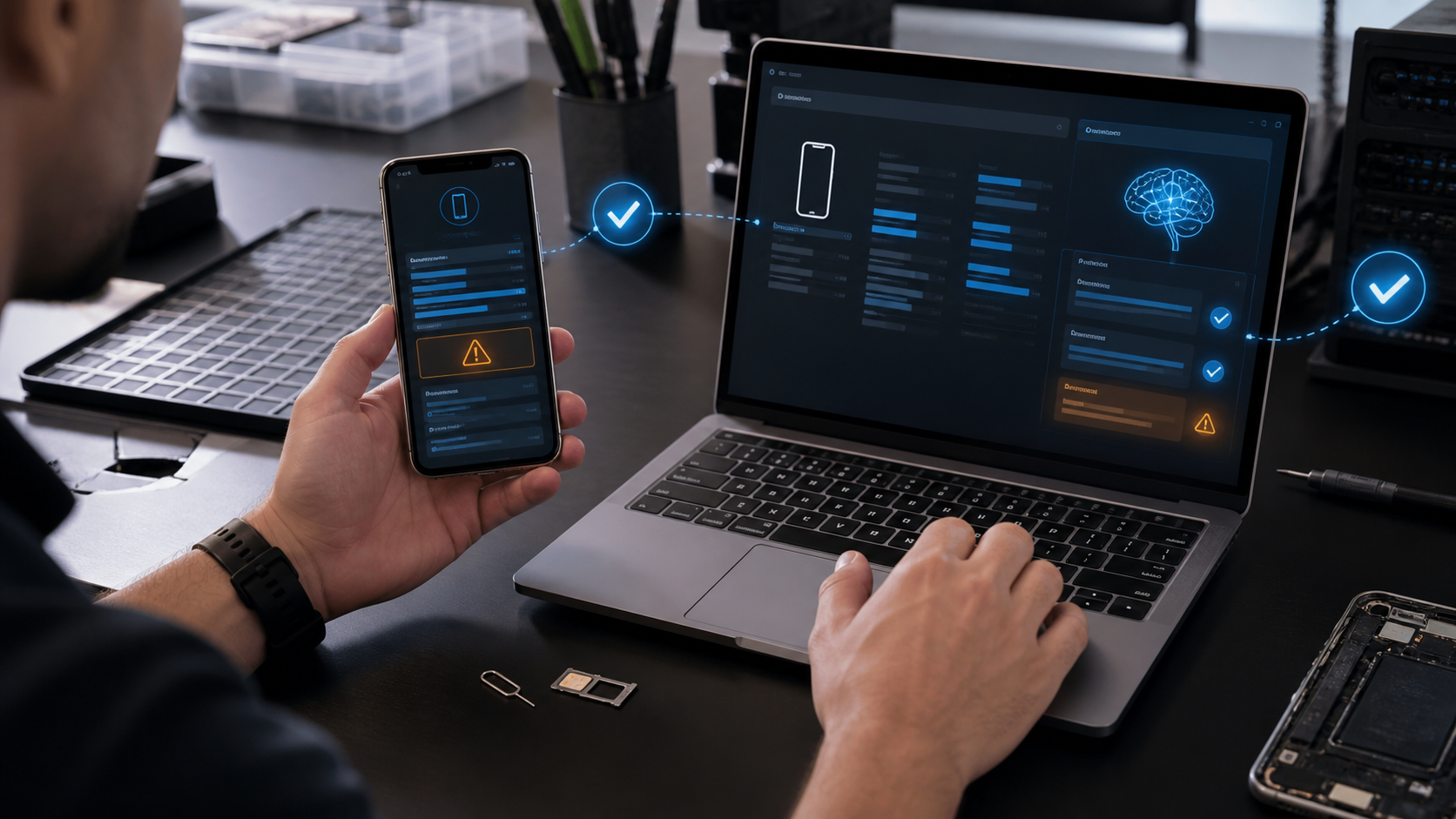
Recommended verification workflow
- Validate the IMEI format first. Use the IMEI calculator or checksum validation before sending a lookup request. A malformed number can waste time and create false uncertainty.
- Compare identity fields. Check brand, model, model code, region hints and device type against the phone settings, seller listing, invoice or repair ticket.
- Separate identity from status. Model identification is not the same as blacklist, carrier lock, financing, warranty or account lock status. Treat each as a separate question.
- Keep evidence together. Save the report, date, seller messages, photos of the About screen and any carrier confirmation so the decision can be reviewed later.
Used properly, an IMEI lookup is a first filter. It should make the next inspection step clearer, not replace human review or official provider records.
Common mistakes to avoid
- Do not post a full IMEI publicly. Share it only with trusted lookup tools, carriers, repair providers or private buyer channels.
- Do not rely on screenshots alone. Ask for fresh device-setting photos or run the check again when the purchase risk is meaningful.
- Do not confuse a valid checksum with a clean device. A valid IMEI format only proves that the number is structurally plausible.
- Do not ignore model variants. Two phones with the same retail name can differ by region, carrier, SIM behavior or firmware path.
How this connects with the rest of IMEI.guru
This article fits into a broader verification path across IMEI.guru: IMEI check, how to read an IMEI report, IMEI.guru data sources, blacklist check guide, stolen phone checklist. Internal links are useful because they let a visitor continue from the current topic into model lookup, report interpretation, status checks and practical buying guidance without starting over.
For SEO, that structure also matters. Search engines and AI answer systems can better understand the page when the article clearly explains the entity, the task, the limits of the data and the next relevant pages. A useful IMEI article should therefore be specific, internally linked and honest about uncertainty.
Bottom line
How to Use IMEI to Find a Stolen Phone is most useful when it helps the reader act carefully. Confirm the identifier, compare it with the physical device, understand what the report can and cannot prove, and use the related IMEI.guru pages to check the next question before money, repair work or resale documentation changes hands.