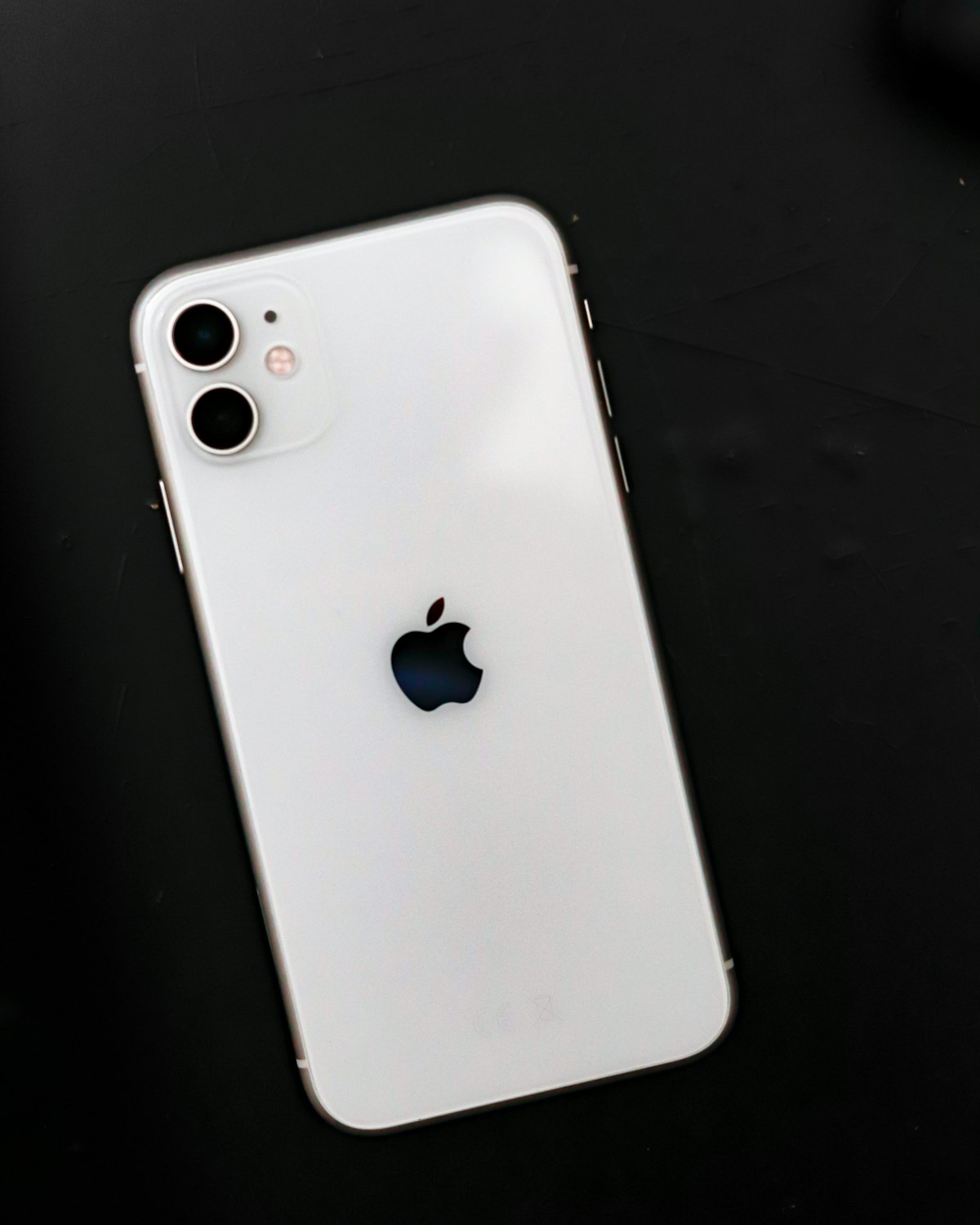
The iPhone 13 remains one of the most attractive used phones because it offers strong performance, long software support and a familiar design. For buyers, the main question is rarely whether the phone is good. The real question is whether the specific unit being sold matches the listing.
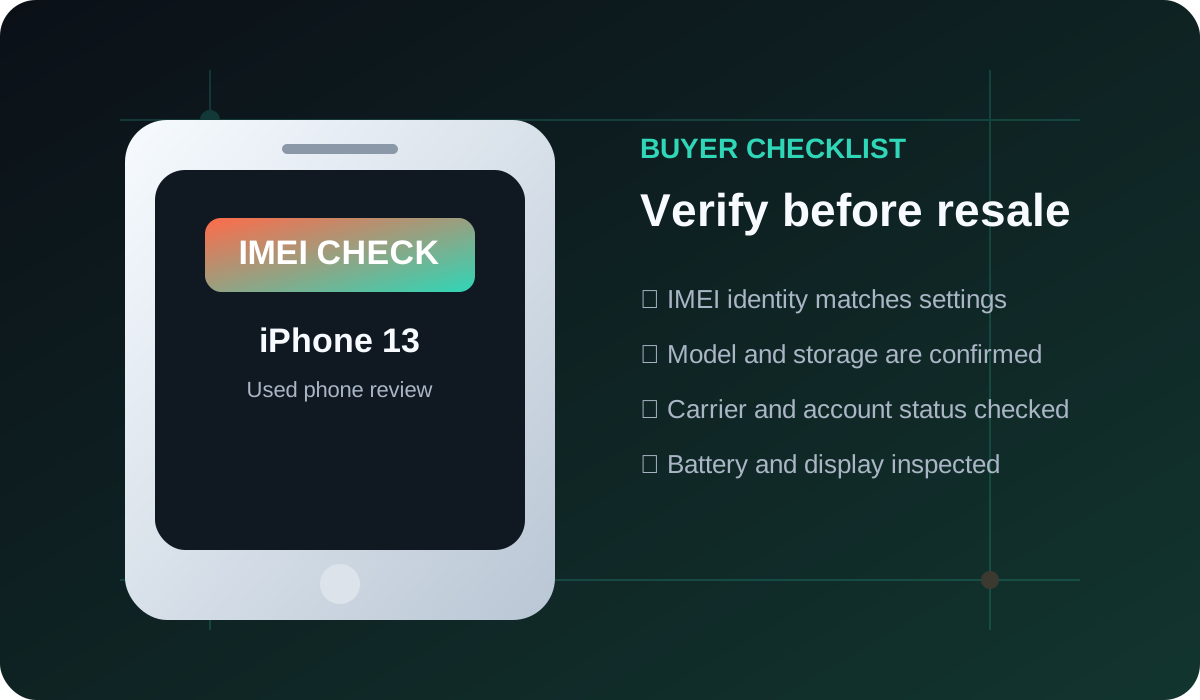
Before paying, run an IMEI CHECK and compare the returned model details with the device in settings. The iPhone 13 family includes several market variants, and a proper check helps confirm that you are not looking at a mismatched board, confusing listing or incorrectly described device.
Battery health, screen condition and camera performance still matter, but identity comes first. Check the IMEI shown in Settings, then compare it with the box or invoice when available. If the seller cannot explain a mismatch, slow down.
For resale, an IMEI CHECK report also helps document the device for the buyer. A listing that clearly states model, storage, color, battery health and identity details feels more trustworthy than a listing built only around photos.
The iPhone 13 is a sensible aftermarket choice, but it rewards careful verification. Treat the IMEI check as the first step, then inspect account lock status, carrier lock status and physical condition before closing the deal.
Why this review matters for IMEI decisions
A practical used iPhone 13 review focused on model identity, resale risks and why an IMEI CHECK matters before purchase. The practical value is that a user can move from a short device identifier to a better decision about buying, repairing, reselling or documenting a phone. A strong IMEI workflow reduces guesswork by connecting the number with brand, model family, report fields and the real-world situation in which the phone is being checked.
For search visitors, the important question is rarely theoretical. They usually want to know whether the phone in front of them matches the listing, whether a model code makes sense, what additional proof they should ask for, and which limits still require a carrier, seller or official support channel. This Apple Review article should answer those questions directly.

Recommended verification workflow
- Validate the IMEI format first. Use the IMEI calculator or checksum validation before sending a lookup request. A malformed number can waste time and create false uncertainty.
- Compare identity fields. Check brand, model, model code, region hints and device type against the phone settings, seller listing, invoice or repair ticket.
- Separate identity from status. Model identification is not the same as blacklist, carrier lock, financing, warranty or account lock status. Treat each as a separate question.
- Keep evidence together. Save the report, date, seller messages, photos of the About screen and any carrier confirmation so the decision can be reviewed later.
Used properly, an IMEI lookup is a first filter. It should make the next inspection step clearer, not replace human review or official provider records.
Common mistakes to avoid
- Do not post a full IMEI publicly. Share it only with trusted lookup tools, carriers, repair providers or private buyer channels.
- Do not rely on screenshots alone. Ask for fresh device-setting photos or run the check again when the purchase risk is meaningful.
- Do not confuse a valid checksum with a clean device. A valid IMEI format only proves that the number is structurally plausible.
- Do not ignore model variants. Two phones with the same retail name can differ by region, carrier, SIM behavior or firmware path.
How this connects with the rest of IMEI.guru
This article fits into a broader verification path across IMEI.guru: IMEI check, how to read an IMEI report, IMEI.guru data sources, iPhone IMEI check, Apple device lookup. Internal links are useful because they let a visitor continue from the current topic into model lookup, report interpretation, status checks and practical buying guidance without starting over.
For SEO, that structure also matters. Search engines and AI answer systems can better understand the page when the article clearly explains the entity, the task, the limits of the data and the next relevant pages. A useful IMEI article should therefore be specific, internally linked and honest about uncertainty.
Bottom line
Apple iPhone 13 Used Phone Review: IMEI CHECK Before You Buy is most useful when it helps the reader act carefully. Confirm the identifier, compare it with the physical device, understand what the report can and cannot prove, and use the related IMEI.guru pages to check the next question before money, repair work or resale documentation changes hands.